
When we talk about homelessness, we often focus on the immediate crisis: a cold night, an empty stomach, or the search for a bed. But as those of us working in this sector know, the “ending” of a period of homelessness is rarely the end of the story.
The cycle of homelessness leaves a long-lasting imprint on the human body, mind, and spirit. To truly solve this crisis, we have to understand the “weathering” effect it has on those who experience it.
1. The Physiological Toll: “Weathering”
The human body is not designed to live in a state of constant survival. Long-term homelessness subjects individuals to “toxic stress,” where the body’s fight-or-flight response is permanently turned on.
- Accelerated Ageing: Studies show that people experiencing long-term homelessness often have the physical health profiles of people 20 years older.
- Chronic Health Neglect: When your primary goal is finding a safe place to sleep, managing a “minor” issue like high blood pressure or a small wound becomes a secondary priority. By the time medical help is sought, these manageable issues have often become life-altering disabilities.
2. The Cognitive “Tunnelling” Effect
There is a psychological phenomenon called Scarcity Brain. When you are deprived of a fundamental need (like housing), your brain “tunnels” its focus entirely on that gap.
This is an incredible survival mechanism, but it comes at a cost. It reduces “cognitive bandwidth,” making it harder to plan for the long term, manage complex paperwork, or regulate emotions. Even after someone is housed, this “tunnelling” habit can persist, making the transition back into “normal” life feel overwhelming and alien.

3. The Erosion of Social Support
Perhaps the most enduring effect is the breakdown of a support network. Homelessness is often a journey of “burning bridges”—not necessarily out of malice, but out of the sheer desperation and the chaos that housing instability brings.
- Isolation: The longer the cycle continues, the more a person’s social circle shrinks to only those who are also in crisis.
- Trust Deficit: After years of navigating systems that feel designed to fail them, many individuals develop a profound distrust of authority, healthcare, and even the charities designed to help them.
“Homelessness is a marathon that doesn’t end when you cross the finish line. You’re still carrying the weight of every mile you ran.” Quote from a resident at CENS
4. The Effects on Families
For children, the cycle is particularly devastating. Experiencing homelessness during developmental years can lead to Adverse Childhood Experiences (ACEs) that correlate with lower educational attainment and higher risks of homelessness in adulthood. It becomes a generational shadow.
How We Break the Cycle at CENS
How We Break the Cycle at CENS
Understanding these long-lasting effects is why our work goes beyond “emergency beds.” Breaking the cycle requires:
- Trauma-Informed Care: Acknowledging the psychological scars before trying to fix the logistics.
- Housing First: Providing a stable base so the brain can stop “tunneling” and start healing.
- Engagement with outside agencies: We help residents engage with other services for a range of issues affecting their lives such as addiction, mental health, lack of money management skills and more. These agencies continue supporting our residents for months, or even years, after they find a home to ensure the roots take hold.
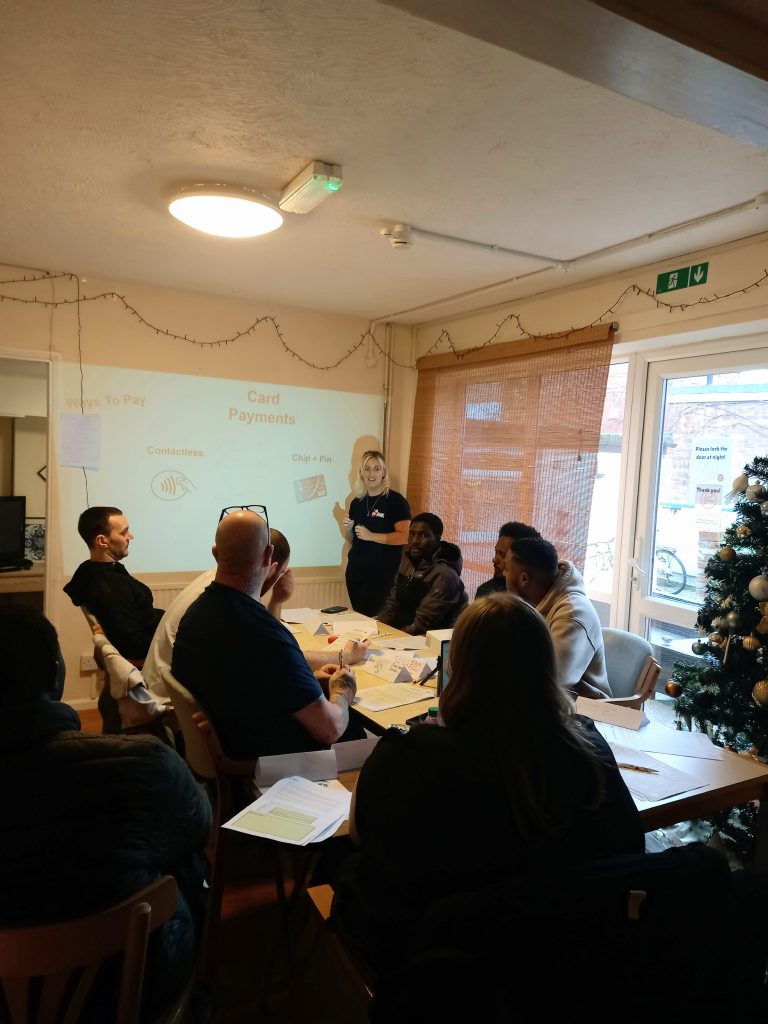
CENS resident’s taking part in a Money Ready Course to help them learn to become more financially independent.
The cycle is powerful, but it isn’t permanent. With the right support, the body can heal, the mind can find peace, and the “weathering” can stop.
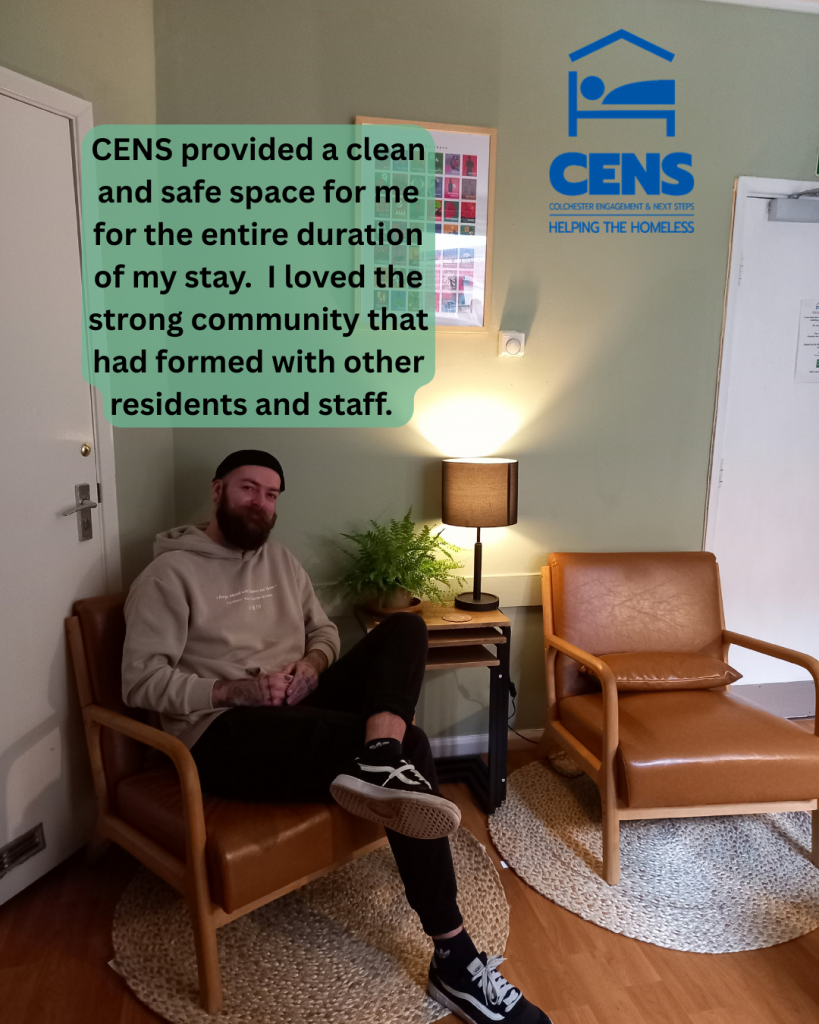
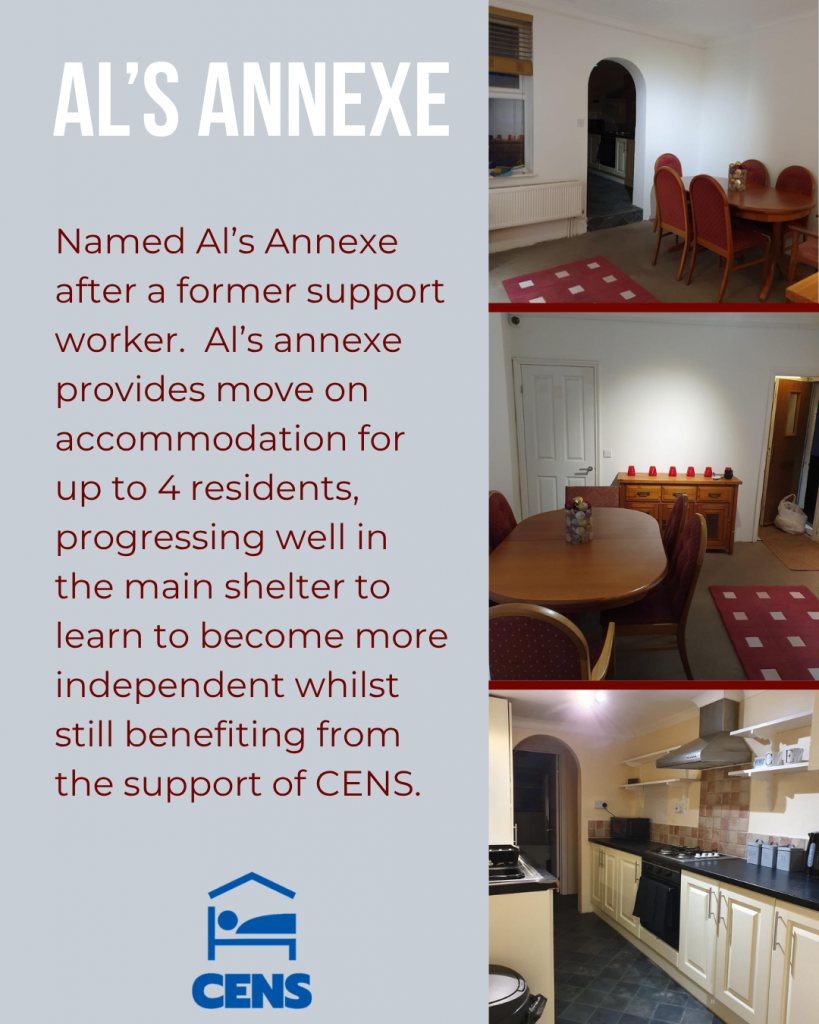
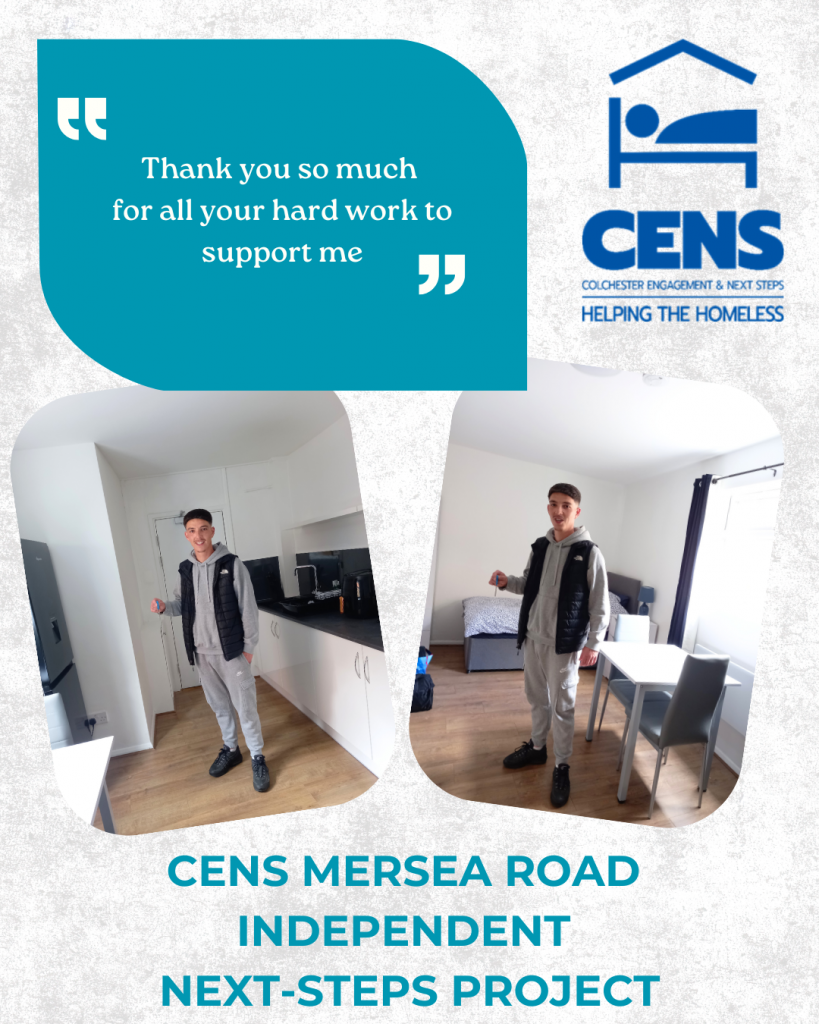
Al’s Annexe and Mersea House Project.
As well as our main 16-bed night shelter, CENS has purchased two move-on properties. They have been fully refurbished to provide our residents with more independent living opportunities whilst still benefiting from CENS wrap-around service. It has proven to be a huge success in helping break the survival mode cycle of homelessness and create a more stable future.
The hard work at CENS never stops but we need your donations to help provide all services to our residents. With the rising costs of living and utilities, every single penny you donate makes a huge difference to those in our night shelter. Become a friend of CENS today by making a one-off or regular donation using our donation form below. Thank you.